
Maintaining a pristine lawn in Florida is more than just a weekend hobby; it is an essential investment in your property’s value. Whether you are navigating the coastal humidity of Jacksonville or the intense inland heat of Orlando, your lawn is the first thing visitors and potential buyers notice. A patchy, weed-infested yard does more than just hurt your pride: it can actively decrease your home’s market value and curb appeal.
The challenge is that Florida’s unique climate requires more than just a "mow and go" approach. Between the sandy soil, invasive pests, and strict local watering ordinances, achieving a lush, green carpet requires professional-grade strategy. If you have struggled with yellowing grass or thinning turf, you are likely making common mistakes that are easily fixable with the right knowledge.
Here are five professional lawn care tips tailored specifically for the Jacksonville and Orlando regions to help you reclaim your curb appeal today.
1. Master the Science of Mowing Height and Frequency
Most homeowners make the mistake of cutting their grass too short, hoping it will save them time between mows. In the professional world, this is known as "scalping," and it is one of the fastest ways to kill a Florida lawn.
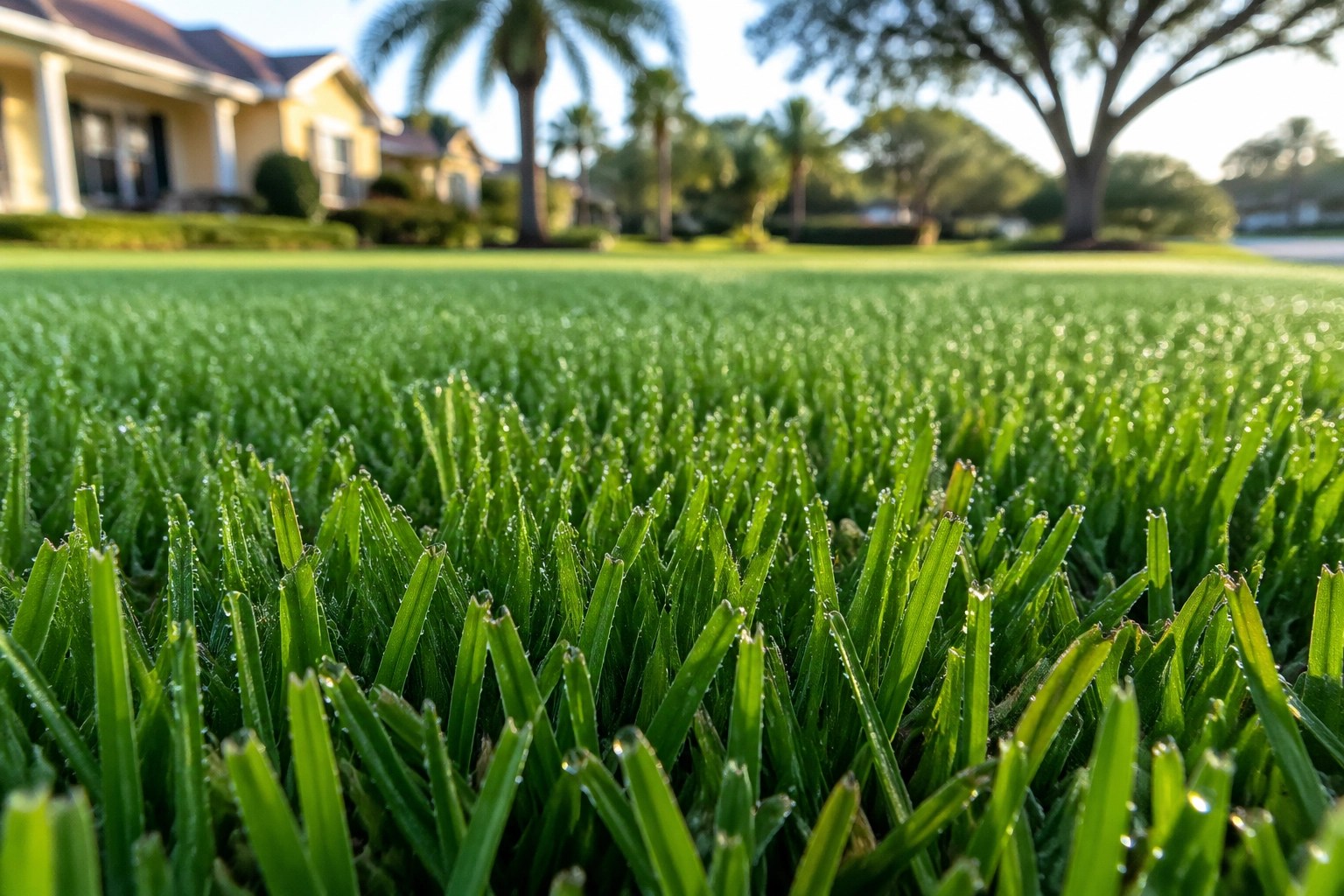
For the common St. Augustine grass found throughout Orlando and Jacksonville, the ideal mowing height is between 3.5 and 4 inches.
Why Height Matters:
- Root Depth: Taller grass blades promote deeper root systems, which are essential for surviving Florida’s dry spells.
- Weed Suppression: A thick, tall canopy shades the soil, preventing weed seeds from getting the sunlight they need to germinate.
- Moisture Retention: Longer blades help keep the soil cool, reducing the amount of water lost to evaporation.
Professional crews adhere to the "One-Third Rule": never remove more than one-third of the grass blade height in a single cutting. If your lawn has grown significantly during a rainy week, perform two separate mows over a few days rather than cutting it all at once. This prevents "physiological shock" to the turf, ensuring it stays vibrant and green.
2. Implement Precision Irrigation Timing
Watering is the most critical factor in Florida lawn maintenance, yet it is often the most misunderstood. In cities like Naples, Jacksonville, and Orlando, sandy soils mean water drains quickly.
The Morning Advantage
The professional standard is to water your lawn in the early morning hours, ideally between 4:00 AM and 8:00 AM. Watering during the heat of the day causes much of the moisture to evaporate before it reaches the roots. Conversely, watering late at night allows moisture to sit on the blades for too long, creating a breeding ground for fungal diseases like Large Patch.
Quantity Over Frequency
Instead of light daily sprinkles, aim for 1/2 inch to 3/4 inch of water per session. This encourages roots to grow deeper into the soil to find moisture. If you aren't sure how much your system is putting out, place a few empty tuna cans around the yard; once they are half-full, your lawn has had enough.
3. Strategic Fertilization and Soil Nutrition
In Florida, fertilization isn't just about dumping bags of nutrients on the ground; it's about timing and local compliance. Many counties in the Orlando and Sarasota areas have "blackout periods" during the rainy season to prevent nutrient runoff into local waterways.
The Nutrient Balance
For a professional-looking lawn, look for fertilizers with a higher potassium (K) ratio during the transition seasons. Potassium strengthens the cell walls of the grass, making it more resistant to heat stress and disease. In Jacksonville, an October fertilization with a 16-4-16 blend can prepare your lawn for the cooler winter months, ensuring it bounces back quickly in the spring.
Professional Soil Testing
Before applying any chemicals, a professional-grade soil test is recommended. This identifies the pH balance of your soil. If your soil is too acidic or too alkaline, the grass won't be able to absorb nutrients, no matter how much fertilizer you apply.

4. Utilize Core Aeration to Combat Compaction
Florida’s soil may be sandy, but high-traffic areas and heavy thatch buildup can lead to severe soil compaction. When the soil is compacted, oxygen, water, and nutrients cannot reach the root zone. Your lawn will begin to look thin and "tired," even if you are watering and fertilizing correctly.
Core Aeration is the process of removing small plugs of soil and thatch from the lawn. This creates "channels" that allow the lawn to breathe.
- When to Aerate: In Orlando and Jacksonville, the best time to aerate is during the peak growing season (late spring or early summer).
- The Benefits: Aeration breaks up the thatch layer, reduces water runoff, and stimulates new root growth.
If you can't easily push a screwdriver six inches into your soil, it’s time to schedule a professional aeration. This single service can often do more for your curb appeal than months of traditional maintenance.
5. Incorporate Professional Hardscaping and Xeriscaping
Sometimes, the best way to boost curb appeal is to reduce the amount of grass you have to maintain. High-traffic areas or spots where grass refuses to grow (such as under heavy shade) are perfect candidates for professional hardscaping or xeriscaping.
Xeriscaping for Efficiency
Xeriscaping involves using native, drought-tolerant plants and decorative mulch or stone. This is becoming increasingly popular in the Sarasota and Orlando areas due to its modern aesthetic and low water requirements.
Defined Edges
Nothing says "professional" like clean, crisp edges. Using hardscaping elements like pavers or stone borders to define your flower beds creates a structured look that instantly elevates your home’s appearance. It also prevents grass from creeping into your garden beds, making your weekly maintenance much simpler.

The Consequences of Neglect
Ignoring these professional standards often leads to a "death spiral" for Florida lawns. A thin lawn allows weeds like Dollarweed and Nutgrass to take over. Once weeds establish a foothold, they compete for the same limited nutrients and water, further weakening your grass.
By the time most homeowners realize there is a problem, the cost of "rehabilitating" the lawn: through sod replacement or intensive chemical treatments: far exceeds the cost of proactive, professional maintenance. Investing in these steps now ensures your property remains a source of pride and a high-value asset for years to come.
Frequently Asked Questions
How often should I mow my lawn in Jacksonville during the summer?
During the peak growing season (May through September), you should mow your lawn weekly. As the weather cools in late October and November, you can scale back to every 10–14 days.
Why is my grass turning yellow despite regular watering?
Yellowing (chlorosis) is often caused by a lack of iron or a nitrogen deficiency. However, it can also be a sign of overwatering or a pH imbalance in the soil. A professional soil test is the best way to diagnose the specific cause.
Is xeriscaping expensive to install?
While the initial investment in stone, mulch, and native plants may be higher than sod, the long-term savings on water bills, fertilizer, and professional mowing make it a highly cost-effective option for Florida homeowners.
Can I fertilize my lawn at any time of the year in Orlando?
No. Many Florida municipalities have strict ordinances regarding nitrogen and phosphorus application, particularly during the summer rainy season (June 1 – September 30). Always check local regulations or consult a professional before applying fertilizer.
What is the best grass type for high-traffic areas in North Florida?
Zoysia grass is an excellent choice for Jacksonville and Orlando. It is more wear-tolerant than St. Augustine and offers a dense, carpet-like feel that handles foot traffic well.
Ready to Elevate Your Property?
Achieving a magazine-worthy lawn doesn't have to be a source of stress. Whether you are looking for a complete landscape redesign or a consistent maintenance plan that takes the guesswork out of irrigation and fertilization, expert help is just a call away.
Take the first step toward a stunning lawn today. Contact us for a free, no-obligation estimate. We provide transparent, written contracts and tailored plans designed specifically for the unique challenges of the Jacksonville and Orlando climates. Let us handle the science, so you can enjoy the results.
