
Maintaining a pristine lawn in Jacksonville is no small feat. Between the sweltering Florida heat, high humidity, and the unique challenges of sandy soil, homeowners often find themselves fighting a losing battle against weeds, brown patches, and pests. While the "First Coast" offers a beautiful backdrop for a lush yard, the specific climate requirements for Northeastern Florida mean that standard lawn care advice often falls short.
If you have spent your weekends pushing a mower only to see your grass thin out or turn yellow, you are likely making one of several common maintenance errors. These mistakes not only diminish your curb appeal but can also lead to expensive repair costs and long-term turf damage.
In this guide, we will break down the seven most frequent mistakes homeowners make with residential lawn maintenance in Jacksonville and provide the professional solutions needed to fix them.
1. Scalping Your Lawn (Mowing Too Short)
One of the most common mistakes is "scalping": cutting your grass too low in hopes of extending the time between mows. In Jacksonville, where St. Augustine and Zoysia grasses are the gold standard, this is a recipe for disaster.
The Problem: When you cut your grass too short, you remove the blade surface necessary for photosynthesis. This stresses the plant, forcing it to deplete its energy reserves to regrow the blades rather than strengthening its root system. Furthermore, short grass allows sunlight to reach the soil surface, providing the perfect environment for weed seeds to germinate.
The Fix: Adhere to the "One-Third Rule." Never remove more than one-third of the grass blade height in a single mowing session. For St. Augustine grass, aim for a height of 3.5 to 4 inches. This height provides enough shade to cool the soil and outcompete weeds. If you have neglected your lawn for a few weeks, don't try to get it back to the target height all at once; perform two separate mows a few days apart.
2. Improper Irrigation Timing and Volume
Watering your lawn seems simple, but in the Florida climate, timing is everything. Many homeowners either water too frequently in small amounts or water at the wrong time of day.
The Problem: Watering in the evening or at night is a common error. This leaves moisture sitting on the grass blades for 10–12 hours, creating a breeding ground for fungal diseases like Large Patch or Gray Leaf Spot. Conversely, watering in the middle of the day leads to high evaporation rates, meaning your grass never gets the deep drink it needs.
The Fix: The optimal time to water your lawn is between 4:00 AM and 8:00 AM. This allows the water to soak into the roots before the sun gets too hot, while also ensuring the blades dry quickly once the sun rises. Aim for "deep and infrequent" watering: about 1/2 inch to 3/4 inch of water per session, twice a week. This encourages the roots to grow deeper into the soil to find moisture, making your lawn more drought-resistant.

3. Using Dull Mower Blades
Living near the coast means salt air and high humidity, which can accelerate the wear and tear on your lawn equipment. Many homeowners go entire seasons without sharpening their mower blades.
The Problem: A dull blade doesn't cut the grass; it tears it. If you look closely at your grass after a mow and see ragged, white, or brown frayed edges, your blades are dull. These jagged tears create open wounds that allow pathogens and pests to enter the plant easily. It also causes the lawn to take on a dull, grayish-brown hue overall.
The Fix: Sharpen your mower blades at least twice a year. If you have a large property or hit sticks and debris frequently, you may need to do it more often. A clean, sharp cut allows the grass to heal quickly, maintaining its vibrant green color and structural integrity.
4. Neglecting Soil Health and Aeration
Jacksonville’s soil is notoriously sandy. Over time, even sandy soil can become compacted due to foot traffic, heavy equipment, or the buildup of "thatch": a layer of dead organic matter between the grass blades and the soil surface.
The Problem: Compacted soil prevents oxygen, water, and nutrients from reaching the root zone. If your lawn feels "spongy" underfoot or if water pools on the surface despite the sandy soil, you likely have a compaction or thatch problem. Without intervention, your grass will slowly suffocate.
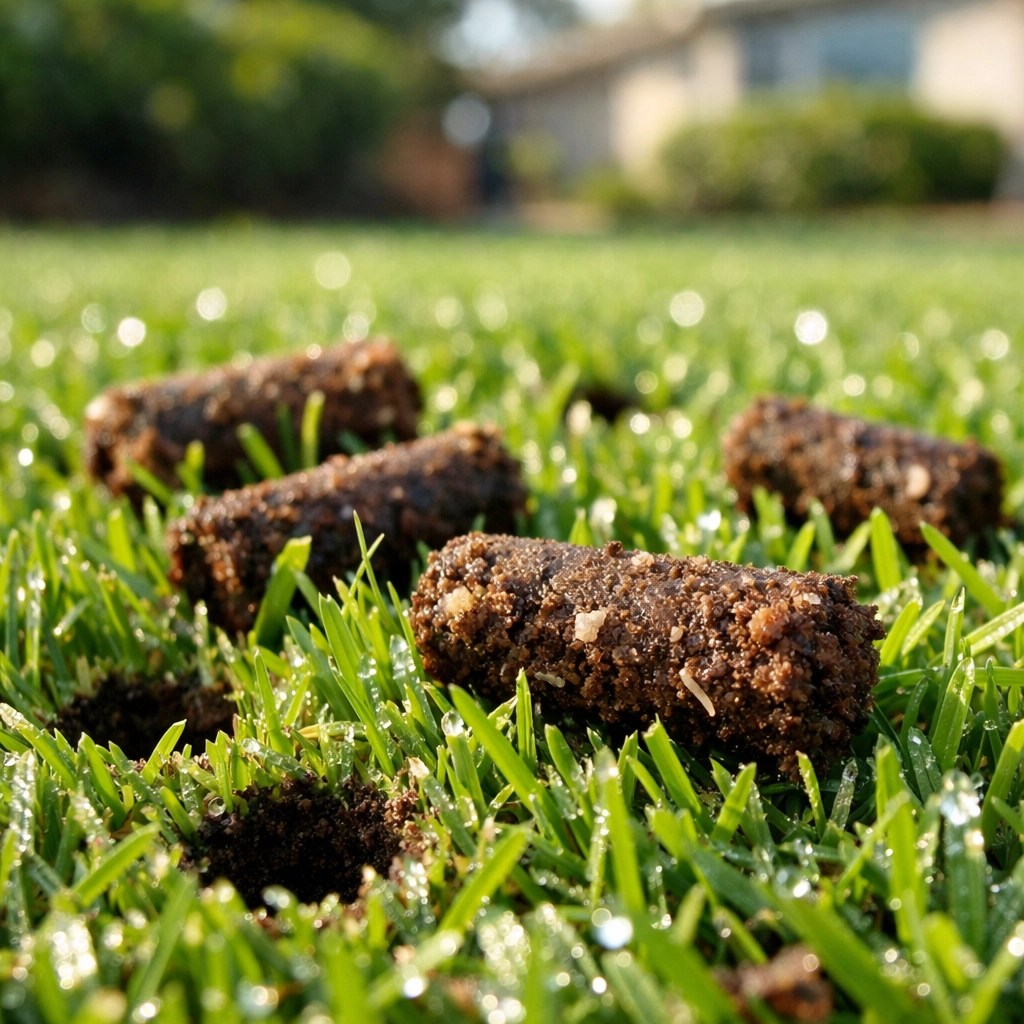
The Fix: Schedule annual core aeration. This process involves removing small plugs of soil to allow the "pores" of the earth to open up. This is particularly effective for lawns in Orlando and Jacksonville, where heavy summer rains can lead to significant surface compaction. Aeration promotes deep root growth and improves the efficiency of your fertilization efforts.
5. Mowing When the Grass is Wet
Jacksonville is known for its sudden afternoon thunderstorms. While it may be tempting to squeeze in a mow right after a rain shower to stay on schedule, it is one of the worst things you can do for your turf.
The Problem: Wet grass is heavy and leans over, making it impossible to get an even cut. Furthermore, the wet clippings tend to clump together and mat down over the healthy grass, which can smother it and encourage fungal growth. From a mechanical standpoint, mowing wet grass can also clog your mower's deck and lead to uneven wear on the engine.
The Fix: Patience is your best tool here. Wait until the grass is dry to the touch before mowing. If you find that your lawn stays wet for too long, you may need to look into improving your property's drainage or thinning out overhanging tree canopies to allow more sunlight to reach the ground.
6. Over-Fertilizing or "Guess-Fertilizing"
More is not always better when it comes to lawn nutrients. Many homeowners apply fertilizer based on a calendar rather than the actual needs of their soil.
The Problem: Excessive nitrogen can lead to a flush of rapid, weak growth that is highly attractive to pests like sod webworms and chinch bugs. Furthermore, Jacksonville has strict local ordinances regarding fertilizer use during the rainy season (typically June through September) to prevent nutrient runoff into the St. Johns River and the Atlantic Ocean. Using the wrong fertilizer can lead to chemical burns or environmental fines.
The Fix: Start with a soil test. This will tell you exactly what nutrients your lawn is lacking. Use slow-release fertilizers that provide a steady stream of nutrients over time rather than a quick spike. If you are unsure about the local blackout dates or the specific needs of your grass type, consulting a professional who understands the Tampa and Jacksonville regulatory landscape is highly recommended.
7. Ignoring the "Xeriscaping" Alternative for Problem Areas
Sometimes, the biggest mistake is trying to grow grass in a place where it simply doesn't want to grow. Whether it's a deep shade area under a live oak or a high-traffic side yard, forcing a traditional lawn can be a waste of resources.
The Problem: Constant reseeding, watering, and fertilizing of "dead zones" is frustrating and expensive. It often leads to erosion and an unkempt appearance that drags down the value of your home.
The Fix: Consider xeriscaping or hardscaping for these difficult areas. Xeriscaping involves using drought-tolerant, native plants and mulch to create a beautiful, low-maintenance landscape that thrives in Florida’s climate without constant intervention. Integrating stones, pavers, or river rocks can also solve drainage issues while providing a high-end, professional look.

Why Professional Lawn Care Makes a Difference
While many homeowners enjoy the DIY aspect of lawn care, achieving a magazine-worthy yard in Jacksonville requires a level of precision that is difficult to maintain with a busy schedule. Professional services offer several advantages:
- Expert Diagnosis: Professionals can identify the difference between a nutrient deficiency and a pest infestation before the damage becomes irreversible.
- Commercial-Grade Equipment: High-end mowers with vacuum systems and perfectly balanced blades provide a cut quality that residential mowers cannot match.
- Time Savings: Regain your weekends and enjoy your outdoor space rather than working on it.
- Compliance: Ensure your fertilization and irrigation practices meet all local Jacksonville and Florida state environmental regulations.

Frequently Asked Questions (FAQ)
What is the best grass type for a Jacksonville lawn?
St. Augustine grass (specifically the 'Floratam' or 'Palmetto' varieties) is the most popular due to its salt tolerance and ability to handle the heat. Zoysia is also a premium option for those seeking a softer, carpet-like feel, though it requires more specialized maintenance.
How often should I sharpen my mower blades?
For the average residential lawn in Jacksonville, sharpening your blades every 20–25 hours of use is a good rule of thumb. If your grass looks "white" on top after a mow, sharpen them immediately.
Why is my lawn turning yellow even though I water it?
Yellowing can be caused by several factors: iron deficiency, overwatering (which leaches nutrients), or the presence of pests like chinch bugs. A soil test is the best way to determine the root cause.
Can I fertilize my lawn in the summer?
Jacksonville and many surrounding areas have "fertilizer blackout" periods during the summer rainy season to protect local waterways. Always check current local ordinances before applying nitrogen or phosphorus.
Is aeration really necessary every year?
In Florida's sandy soils, annual aeration is highly recommended. It prevents the soil from becoming a hard pan and ensures that your expensive fertilizer and water actually reach the roots.
Ready to Transform Your Lawn?
Avoiding these seven mistakes will put you on the fast track to a healthier, greener lawn. However, if you are tired of the guesswork and want a professional team to handle the heavy lifting, we are here to help. Our expert technicians understand the specific needs of Jacksonville landscapes, from soil chemistry to pest cycles.
Contact us today for a free, no-obligation estimate. We provide transparent pricing, written contracts, and a commitment to excellence that ensures your property remains the envy of the neighborhood. Let us take the stress out of your lawn care so you can spend your time enjoying the Florida sunshine.